Along with everyone else, motorists are bracing themselves for the November 26 Budget, which could redraw the rules of driving in Britain. From EV taxes to kerbside charging and new vehicle duty bands, here’s how your motorng costs could change — and who might be winners or losers.
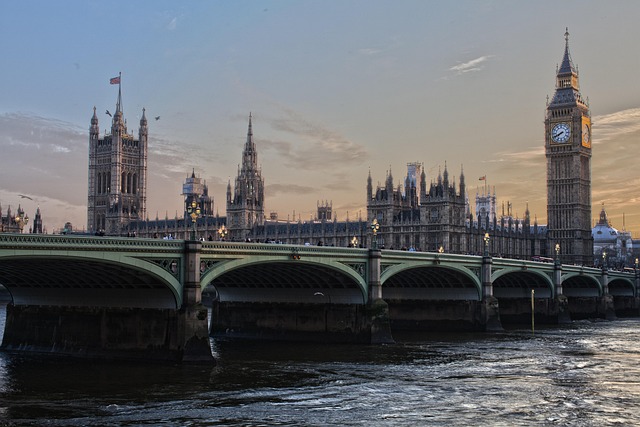 Rachel Reeves will reveal her Budget on November 26, but when it comes
to motoring, who could be its winners and losers? (Image by Adam
Derewecki from Pixabay)
Rachel Reeves will reveal her Budget on November 26, but when it comes
to motoring, who could be its winners and losers? (Image by Adam
Derewecki from Pixabay)
Fuel duty: will the long freeze finally crack?
The freeze on fuel duty has been one of the few certainties motorists could rely on. But mounting fiscal pressure suggests May 2026 might be the time Rachel Reeves breaks that trend.
Even a modest 2p-per-litre rise would push a 50-litre fill-up up by £1 — enough to sting many drivers already squeezed by energy and insurance costs.
Analysts believe Reeves could delay any increase until future years, instead signalling intent now and keeping 2025 rates unchanged.
Winners vs losers
Winners: EV owners and public transport users
Losers: rural drivers, commuters and tradespeople
with high mileage
Vehicle excise duty: EVs join the table
From April 2025, electric vehicles lose their full exemption from vehicle excise duty (VED). New EVs will pay £10 in the first year, then £195 annually.
Those with a list price over £40,000 — even EVs — face an additional “expensive car supplement” of £425 for five years.
More details:
| Vehicle type | First-year VED | Annual VED (from year 2) |
|---|---|---|
| New zero-emission cars | £10 | £195 + supplement if over £40,000 |
| EVs registered 2017–2025 | — | £195 |
| Petrol / diesel / hybrid (new) | CO₂-based rate | Inflation-linked rate |
The Office for Budget Responsibility (OBR) forecasts VED receipts of
£9.1 billion in 2025–26 — around £320 per household.
https://obr.uk/forecasts-in-depth/tax-by-tax-spend-by-spend/vehicle-excise-duty-2
Winners vs losers
Winners: buyers of lower-cost EVs, owners who buy
before new rules
Losers: high-end EVs hit by
supplement, petrol and diesel models in higher bands
Road pricing: is pay-per-mile looming for EV drivers?
Electric-car owners could be in line for a new pay-per-mile road tax as ministers look to plug a growing hole in Treasury finances caused by the switch away from petrol and diesel.
While no scheme will be introduced immediately, Treasury insiders have confirmed that consultation work is already under way, with a possible rollout date around 2028.
The proposed model would see drivers charged around 3 p per mile — roughly equivalent to the duty paid on fuel for an efficient petrol car. It would be monitored through vehicle telematics, annual odometer checks or smart-charging data.
How much could pay-per-mile cost EV drivers?
| Daily return commute | Total miles per day | Approx. annual cost (220 driving days) |
|---|---|---|
| 4 miles | 4 | £26 |
| 10 miles | 10 | £66 |
| 20 miles | 20 | £132 |
| 40 miles | 40 | £264 |
| 60 miles | 60 | £396 |
| 80 miles | 80 | £528 |
Even at 3 p per mile, some drivers could face over £500 a year in new charges — before electricity, insurance or maintenance are factored in.
Motoring groups, including the RAC and AA have warned that the move could undermine the shift to electric cars, particularly for drivers without home-charging access who already pay higher costs through public chargers.
However, Treasury officials insist some form of road-use charge is unavoidable, with fuel-duty revenues falling by billions each year as EV sales rise.
Winners vs losers
Winners
-
Low-mileage EV owners – Those using their cars mainly for short urban trips would pay only a small annual fee compared with fuel duty.
-
The Treasury – Road-tax income would stabilise after years of decline caused by the EV boom.
-
Motorists in rural areas (initially) – May benefit if the rollout begins with urban-congestion zones before a national scheme is adopted.
Losers
-
High-mileage commuters and company-car drivers – Could face hundreds in new annual charges despite choosing cleaner vehicles.
-
Electric-car adoption – Risk of slowing sales if incentives are seen as being clawed back.
-
Privacy-minded drivers – If telematics or GPS-based mileage tracking is introduced, data concerns will likely follow.
EV incentives and benefit-in-kind tweaks
EVs once enjoyed generous tax breaks — but not for much longer. Reeves is unlikely to reverse the rise in EV benefit-in-kind (BIK) rates, and could tighten salary-sacrifice thresholds for premium models.
Buyers acting before any reforms could lock in lower costs.
Winners vs losers
Winners: early buyers, affordable EV makers
Losers: luxury EVs and corporate fleets reliant on
incentives
Electricity, charging costs and kerbside charging
Charging at home attracts 5% VAT, while public chargers face 20%. The government may bring them closer to level the playing field.
To support EV users without driveways, the government has committed £25 million for pavement “gullies” — cable channels linking homes to on-street charging spaces.
It has also launched a £63 million package to boost EV infrastructure, including funding for homes without driveways.
Winners vs losers
Winners: flat owners
and street parkers gaining kerbside access
Losers: public-charge users paying higher VAT, areas unable to
install gullies
Motability shake-up to focus on British cars
Disabled drivers using the Motability scheme will no longer be able to lease “premium” vehicles such as BMWs and Mercedes, the scheme has announced. The move comes as Motability signals a sharper focus on British-built cars, aiming for half of its leased vehicles to be UK-made by 2035.
Chancellor Rachel Reeves said the change would help “support thousands of well-paid, skilled jobs” and give the economy a boost, while critics have long called for the government to tackle rising costs of the scheme. The number of Motability users has grown sharply in recent years, now standing at 860,000, many of whom rely on adapted vehicles to remain mobile.
Higher-end cars currently make up around 50,000 of the vehicles leased through Motability, with customers paying the extra for a premium model themselves. Some campaigners argue that taxpayer-funded access to premium cars is unnecessary, while Motability stresses that the scheme remains a vital lifeline for disabled people. Transport Secretary Heidi Alexander said earlier this month she would be “comfortable” removing “really high-end cars” from the scheme.
Winners vs losers
Winners
-
British car manufacturers – the focus on UK-built vehicles is expected to boost jobs and domestic production.
-
Mainstream Motability users – more funding can go towards ensuring accessible vehicles remain affordable.
-
The economy – government-backed shift towards British cars could support skilled employment and supply chains.
Losers
-
Disabled drivers wanting premium cars – BMW, Mercedes and other high-end models will no longer be available through the scheme.
-
Premium car market in Motability – the 50,000 higher-end vehicles currently leased may see demand drop.
-
Drivers concerned about cost increases – the scheme remains under scrutiny for rising prices despite the changes.
Insurance, servicing and hidden cost burdens
Insurance premiums are surging and spare parts remain expensive. The Budget might offer modest support for UK parts manufacturing, but large-scale relief is unlikely.
Winners vs losers
Winners: mainstream car owners, insurers using data
tech
Losers: luxury car owners, drivers in
repair-limited areas
Council tax, driveways and property revaluation
Labour MPs have urged a radical overhaul of council tax to reflect modern property values.
There is no confirmed plan to charge homeowners extra just for having a driveway — but property revaluation could indirectly hit those with larger plots or off-street parking.
Council registration of driveways or small local fees have appeared in a few areas but are not national policy.
If such charges ever appear, they’ll likely be wrapped into land-value or property-based reforms rather than direct “driveway tax”.
Winners vs losers
Winners: flat owners, homes without private parking
Losers: high-value properties and homes with large
driveways
Revenue gap: why motoring taxes must evolve
Fuel duty freezes and EV adoption are eroding revenue. The OBR sees VED
contributing just 0.7% of total tax receipts by 2026.
https://obr.uk/forecasts-in-depth/tax-by-tax-spend-by-spend/vehicle-excise-duty-2
A thinktank report says aligning SUV taxes with EU levels could raise nearly £2 billion annually.
Winners vs losers
Winners: efficient-vehicle drivers and policy-savvy
motorists
Losers: owners of heavy, inefficient cars
unprepared for new costs
Final word
The 2025 Budget might not transform motoring overnight, but it will set the tone for how Britain pays to drive in a net-zero future.
Motorists who plan ahead — by choosing efficient vehicles, switching to smart home charging, or buying before new taxes land — will be the real winners when the Chancellor delivers her statement on November 26.
More on electric vehicles
-
EVs and the London congestion charge
-
Electric van licence rules
-
One-pedal driving explained
-
Charging EVs in flats
-
EV charging at airports
-
EV range in hot weather
-
How to charge electric cars in the UK
-
Should you buy an electric car?
-
How to hire an electric car
-
Electric car licence and test rules
-
Most popular electric cars in the UK
-
EV charging in France for UK drivers
Subscribe for free motoring and travel news here - support independent journalism
Most read motoring content
Take a look at more of our top motoring-related content here...
-
How to spot a fake undercover police car
-
Do I need to pay the Dartford Crossing charge on Sundays?
-
Will I get a speeding ticket after being flashed
-
Do I need an international driving permit for France and Spain
-
Secret parking offences you're committing revealed
-
Alternative routes for beating jams on the M25
-
Alternative routes for the M1 motorway
-
Alternative routes for the M6 motorway
-
How old are my tyres - find out instantly here
-
What are the black dots on my windscreen for?
-
Are my sunglasses legal for driving?
 Share
Share Tweet
Tweet Pin
Pin Email
Email Share
Share Share
Share
Author: Pete Barden:
Twitter: @pete_barden
Pete Barden is a qualified journalist who has written and produced for publications including The Sun (thesun.co.uk), New Statesman Media Group, Whatcar? (Whatcar.com) Stuff Magazine (Stuff.tv), Fastcar Magazine (Fastcar.co.uk), Maxim Magazine and UK broadcast stations within the Heart network (Formerly GCAP). Pete specialises in motoring and travel content, along with news and production roles. You can find out more about Pete Barden on LinkedIn.