Taking your pet abroad for treatment may sound extravagant, but for some UK drivers it can actually work out cheaper than paying private vet fees at home — especially if you’re already planning a Channel crossing or a short break.
With UK veterinary costs rising sharply in recent years, some owners are combining a road trip to France, Belgium or the Netherlands with non-emergency care such as dental work, scans, blood tests or surgery. The key is planning properly, making sure your pet is fit to travel and understanding the post-Brexit paperwork.
Here’s what to know before loading the car and heading for the ferry.
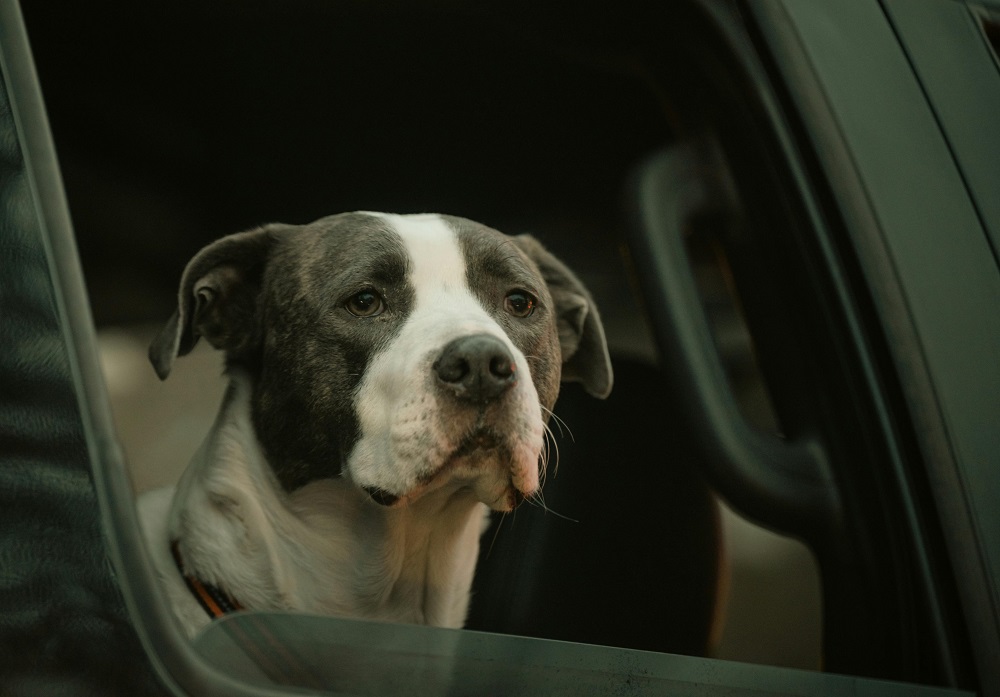 Taking your pet on a road trip to Europe and combining it with
non-emergency treatment by a foreign vet can save hundreds if undertaken safely (Photo by Chris F)
Taking your pet on a road trip to Europe and combining it with
non-emergency treatment by a foreign vet can save hundreds if undertaken safely (Photo by Chris F)
Why owners are looking overseas
Routine and specialist vet fees in Britain can be eye-watering, particularly if your pet is uninsured or your policy excludes certain treatments.
Procedures such as dental cleaning under anaesthetic, X-rays, lump removals and orthopaedic surgery can cost hundreds — sometimes thousands — in the UK.
In some nearby European countries, lower clinic overheads and labour costs can make the same treatment significantly cheaper. Even after fuel, ferry and accommodation, owners may still save money.
A simple example:
| Treatment | Typical UK private cost | Typical France/Belgium cost | Potential saving |
|---|---|---|---|
| Consultation | £50–£90 | £25–£50 | £20–£40 |
| Dental scale/polish (dog/cat) | £300–£700 | £150–£400 | £150–£300 |
| X-ray | £250–£600 | £120–£350 | £100–£250 |
| Ultrasound | £300–£800 | £150–£450 | £150–£350 |
| Lump removal | £500–£1,500 | £250–£900 | £250–£600 |
| Cruciate ligament surgery | £3,000–£6,000+ | £1,500–£4,000 | £1,000+ |
These are broad private-sector estimates and will vary depending on your pet’s size, condition and the clinic.
The biggest savings are usually on planned procedures rather than emergencies.
What treatment is suitable abroad?
This route is best for:
- Dental work
- Skin investigations
- Blood tests and diagnostics
- Non-urgent scans
- Follow-up procedures
- Planned surgery with clear aftercare
It is not ideal for:
- emergencies
- very elderly or frail pets
- pets with severe travel anxiety
- cases needing frequent post-op checks
Always speak to your UK vet first. A second opinion is fine, but you need to be sure your pet is safe to travel.
Pet travel rules: what UK owners need now
Since Brexit, pets travelling from Great Britain to the EU generally need an Animal Health Certificate (AHC) — not the old UK pet passport system.
To take your dog, cat or ferret to France or elsewhere in the EU, you must:
- have your pet microchipped before rabies vaccination
- ensure rabies jabs are up to date
- wait at least 21 days after the first rabies jab before travel
- get an AHC from an official vet no more than 10 days before entry
- use an approved travellers’ point of entry
The AHC is valid for:
- 10 days to enter the EU
- 4 months for onward EU travel
- 4 months for re-entry to Great Britain
Also, remember, your pet should be properly restrained for safety while driving.
Can you get a pet passport?
A UK-issued pet passport is no longer valid for entering the EU. British owners now need an AHC each trip unless they already have a valid EU-issued passport linked to their pet.
Important:
- You cannot simply “buy” a French pet passport as a shortcut.
- EU pet passports are generally for pets resident in the EU.
- Using a workaround incorrectly could lead to your pet being refused entry.
Recent warnings have highlighted that some owners are risking problems by trying to dodge AHC rules.
Extra travel costs to factor in
Before deciding if it’s worth it, add up:
- AHC cost (often £100–£250+ depending on vet)
- ferry/LeShuttle fees
- fuel/tolls
- overnight stay if needed
- follow-up appointment costs
- travel insurance (for you and pet)
If your pet needs multiple visits, savings can quickly disappear.
Questions to ask the overseas clinic
Before booking:
- Is the vet licensed and experienced in the procedure?
- Do they speak English?
- What is included in the quote?
- What pain relief/meds are provided?
- What happens if complications arise?
- Can your UK vet handle follow-up?
Ask for written records in English if possible, including:
- diagnosis
- treatment notes
- prescriptions
- imaging results
That will make aftercare in the UK easier.
When it can make sense
Travelling abroad for pet treatment can make financial sense if:
- the procedure is expensive in the UK
- your pet is otherwise healthy
- you can combine it with a holiday
- you are comfortable with the paperwork
For smaller procedures, the savings may not be worth the hassle.
But for big-ticket planned care, some owners could save hundreds — and sometimes thousands — by taking the car and making a careful, well-organised trip out of it.
Driving in France checklist for UK drivers
Here's a quick checklist for UK drivers planning to drive in France
| Item | Required? | Notes |
|---|---|---|
| Full UK Driving Licence | ✅ Yes | Both paper and photocard if applicable |
| Vehicle V5C logbook or VE103 | ✅ Yes | Proof of ownership – more on VE103 |
| Valid Insurance (with EU cover) | ✅ Yes | Check with your provider for confirmation |
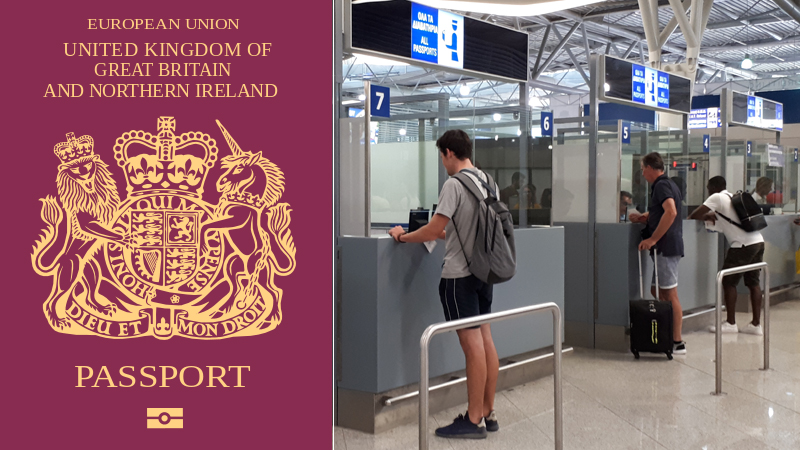
| Passport | ✅ Yes | Must be valid for at least 3 months after return |
| Travel Insurance | 🔲 Advised | Helps cover unexpected medical or trip issues |
| MOT certificate | ✅ Yes | For vehicles over 3 years old – check your renewal date |
| Reflective jackets (one per occupant) | ✅ Yes | Must be within reach (not in the boot) |
| Warning triangle | ✅ Yes | Legally required |
| Headlight beam deflectors | ✅ Yes | Required even for LED lights |
| UK sticker/identifier | ✅ Yes | Needed unless UK plates have Union Jack |
| Spare bulb kit | 🔲 Advised | Not a legal requirement but useful |
| Breathalyser kit | 🔲 Advised | Not enforced, but still recommended |
| Sat nav without speed camera alerts | ✅ Yes | Disable alerts for camera locations |
| Credit/debit card or cash for tolls | ✅ Yes | Many motorways are tolled |
| Emission sticker (Crit’Air) | 🔲 Sometimes | See more on Crit'Air here |
| Drive on the right-hand side | ✅ Yes | Pay extra attention at roundabouts |
| Speed limits adjust in wet weather | ✅ Yes | Limits drop – always check signs |
| Drink and drug driving rules | ✅ Yes | Strict rules apply |
| No use of hands-free earpieces/headphones | ✅ Yes | Illegal to use in France |
| European Breakdown Cover | 🔲 Advised | Very useful if you break down abroad |
| Paper map or offline GPS | 🔲 Advised | Helpful in rural areas with poor signal |
| EHIC/GHIC card | 🔲 Advised | Free or reduced-cost state medical care in EU |
READ MORE ON DRIVING IN FRANCE
Take a look at more of our top motoring-related content here...
-
SIGN OF THE TIMES: Find out what a white diamond sign means in France
-
BEWARE: Find out the drink and drug driving rules for France
-
SPEED TIPS: Do I get points on my licence if caught speeding in France?
-
PLUG-IN: Find out about charging electric cars in France
-
SECRET SPEED CAMERAS: Look out for undercover speed camera cars
-
GET YOUR FILL: Interactive map to find the cheapest petrol stations near you in France
-
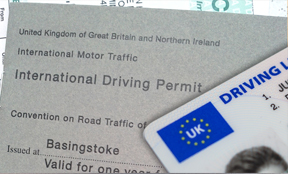
PERMIT TO DRIVE: Find out why you may need an International Driving Permit for France
-
TRAFFIC WIN: Skip Paris ring road gridlock with the A86 Duplex Tunnel
-
SHARING TIME: Car sharing lanes in Paris explained - don't get a fine
Subscribe for free motoring and travel news here - support independent journalism
Most read motoring content
Take a look at more of our top motoring-related content here...
-
How to spot a fake undercover police car
-
Do I need to pay the Dartford Crossing charge on Sundays?
-
Will I get a speeding ticket after being flashed
-
Do I need an international driving permit for France and Spain
-
Secret parking offences you're committing revealed
-
Alternative routes for beating jams on the M25
-
Alternative routes for the M1 motorway
-
Alternative routes for the M6 motorway
-
How old are my tyres - find out instantly here
-
What are the black dots on my windscreen for?
-
Are my sunglasses legal for driving?
 Share
Share Post
Post Pin
Pin Email
Email Share
Share Share
Share
Author: Pete Barden:
Twitter: @pete_barden
Pete Barden is a qualified journalist who has written and produced for publications including The Sun (thesun.co.uk), New Statesman Media Group, Whatcar? (Whatcar.com) Stuff Magazine (Stuff.tv), Fastcar Magazine (Fastcar.co.uk), Maxim Magazine and UK broadcast stations within the Heart network (Formerly GCAP). Pete specialises in motoring and travel content, along with news and production roles. You can find out more about Pete Barden on LinkedIn.